
Timber pergola: treated pine vs hardwood, upkeep and 2026 prices
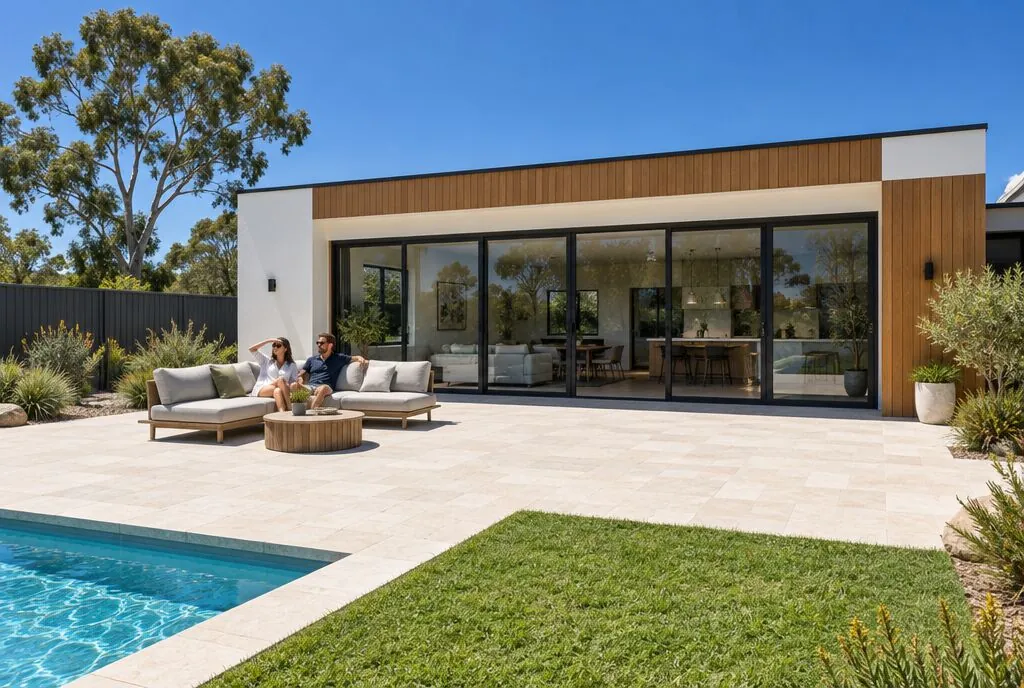
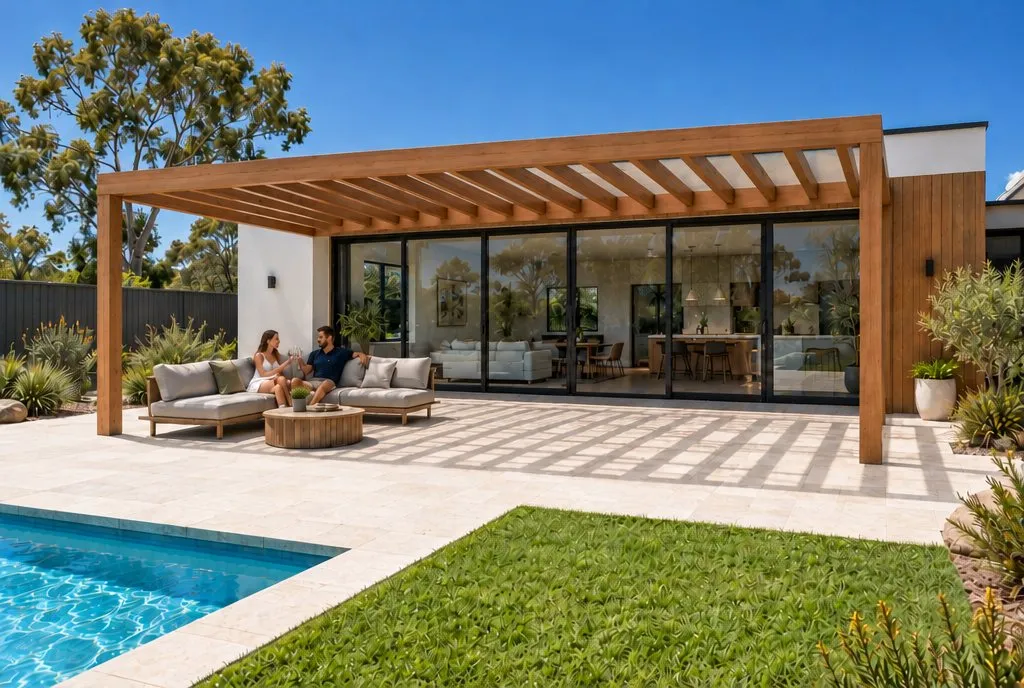 BeforeOpen Timber Pergola
A timber pergola is an open frame of timber posts, beams and rafters that gives filtered shade and a natural, warm look. It is one of the most affordable ways to define an outdoor area, and it can be roofed later if you want rain cover.
BeforeOpen Timber PergolaWhat is a timber pergola made of?
Every timber pergola has the same parts: posts, beams on top of the posts, and rafters across the beams. The roof is left open, or covered with battens, shade cloth or climbing plants.
The big choice is the timber.
Treated pine
Treated pine is the budget choice. Pine has low natural durability, so it is pressure treated with a preservative. The treatment level is shown by a hazard class (H class).
The NSW EPA treated timber chart lists H3 for outdoor, above-ground uses such as pergola framing. H4 is for in-ground uses, including pergola posts set in the ground.
Hardwood
Australian hardwoods give a richer colour and a solid feel. WoodSolutions rates spotted gum and ironbark as durability class 1, with more than 40 years above ground. Jarrah and blackbutt are class 2, at 15 to 40 years.
Those ratings apply to the heartwood only. Sapwood is not durable and is readily attacked unless treated, so ask what you are buying.
Engineered timber
Engineered timber, such as glulam, is made by bonding smaller pieces into long, straight beams. It suits longer spans with fewer posts. Check it is made and treated for outdoor exposure.
Pros and cons of a timber pergola
Pros:
- Warm, natural look that suits most homes and gardens.
- One of the cheapest pergola styles to build.
- Easy to customise with stain, paint and battens.
- Can be roofed later with polycarbonate or steel.
Cons:
- Needs oiling, staining or painting to stay looking good.
- Can twist, check or split as it weathers.
- Termites are a real risk without good detailing.
- An open roof gives shade only, with no rain cover.
Maintenance and termites
Plan to recoat timber regularly. Oil finishes need more frequent attention than paint. WoodSolutions also advises re-treating or sealing cut ends on site.
Fixings matter. Some preservatives, including CCA and ACQ, can corrode zinc-plated fixings, so hot-dip galvanised or stainless fixings are recommended.
For termites, the WA government's guide recommends metal stirrups for pergola posts instead of burying the timber. It also advises:
- Keeping garden beds and stored timber away from the house.
- Not letting soil block wall vents or drainage.
- A licensed inspection at least once a year.
Our patio maintenance guide has a simple yearly checklist.
Who is a timber pergola best for?
A timber pergola suits homeowners who love the look of real wood and do not mind some upkeep. It works well over a deck, along a garden path or as a frame for climbing plants.
Good fits include:
- Cottage, Hamptons, coastal and federation style homes.
- Gardens where you want dappled light, not full shade.
- Budgets that cannot stretch to aluminium.
- DIY-minded owners happy to oil it each year.
How much does a timber pergola cost?
These are our indicative installed prices for an Open Timber Pergola, by size and state, including GST.
| Size | WA | SA | VIC | QLD | NSW | ACT | TAS | NT |
|---|---|---|---|---|---|---|---|---|
| 3 × 3 m | $6,500 to $7,500 | $6,500 to $7,500 | $7,000 to $8,000 | $7,000 to $8,000 | $7,500 to $8,500 | $7,500 to $8,500 | $7,000 to $8,500 | $7,500 to $9,000 |
| 5 × 4 m | $7,000 to $8,000 | $7,000 to $8,000 | $7,500 to $8,500 | $7,500 to $9,000 | $8,000 to $9,500 | $8,000 to $9,500 | $8,000 to $9,000 | $8,500 to $10,000 |
| 6 × 4.5 m | $9,500 to $11,000 | $9,500 to $11,000 | $10,000 to $11,500 | $10,000 to $12,000 | $11,000 to $12,500 | $11,000 to $12,500 | $10,500 to $12,500 | $11,500 to $13,500 |
Open Timber Pergola, indicative installed prices including GST, attached, rounded. Updated 28 October 2026.
Hardwood costs more than treated pine. Size, height, footings, access, council fees and any roofing also move the price. These ranges are indicative only, and a site measure and written quote from an installer sets the real price. See our pergola cost guide for more.
Colours and options
You can leave timber natural, oil it, stain it or paint it. Darker stains hide weathering, while paint lasts longer between coats.
Popular options:
- Battens or slats on top for more shade.
- Clear polycarbonate roofing added later.
- Shade cloth or a retractable shade sail.
- Festoon or LED strip lighting along the beams.
- Decorative rafter ends or a contrast colour on the posts.
Adding a roof later is common, but it changes the loads. Get the frame checked before you add one.
Do you need council approval for a timber pergola?
It depends. An open pergola is often treated more lightly than a roofed patio. In some states, a small, low pergola away from boundaries can be exempt.
Height, size, setbacks, bushfire rating and attaching to the house all matter. Adding a roof can also change the answer. Read our council approval guide for patios and pergolas before you build.
Timber pergola vs similar styles
Timber pergola vs aluminium slat pergola
A fixed aluminium slat pergola can copy the timber look with a woodgrain powder coat. It will not rot or attract termites and needs almost no upkeep, but it costs more.
Timber pergola vs polycarbonate patio
A polycarbonate roof patio keeps the light but adds rain cover. Choose it if you want to use the space in all weather.
Our timber vs aluminium pergola guide compares cost and upkeep side by side. You can also see a timber pergola on your own house in about 30 seconds with our free tool.
Common questions
Is treated pine or hardwood better for a pergola?
Treated pine is cheaper, straight and easy to work, and H3 treatment suits above-ground parts. Durable hardwoods such as spotted gum or jarrah look richer and last well above ground, but cost more and weigh more. Both need regular oiling or painting.
How long does a timber pergola last?
It depends on the timber, the detailing and the upkeep. WoodSolutions rates the most durable class 1 timbers at more than 40 years above ground, while low durability timbers need preservative treatment. Keeping posts off the ground and recoating on time makes the biggest difference.
Can you add a roof to a timber pergola later?
Often, yes, but check first. A roof adds weight and wind load, so posts, beams, footings and fixings may need upgrading. Ask an installer or engineer to confirm the frame can carry it, and check council rules again.
How do you protect a timber pergola from termites?
Use treated or naturally durable timber and stand posts on metal stirrups instead of burying them. Keep garden beds and stored timber away from the posts and the house, and book a licensed pest inspection at least once a year.
How much does a timber pergola cost?
Our indicative installed price for a 6 m × 4.5 m open timber pergola is $9,500 to $11,000 in WA and $10,000 to $12,000 in Queensland, including GST. The timber species, height, footings and any roofing move the final quote.
Keep reading
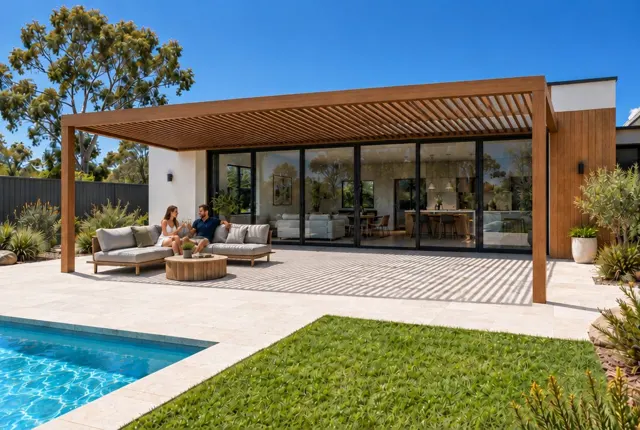
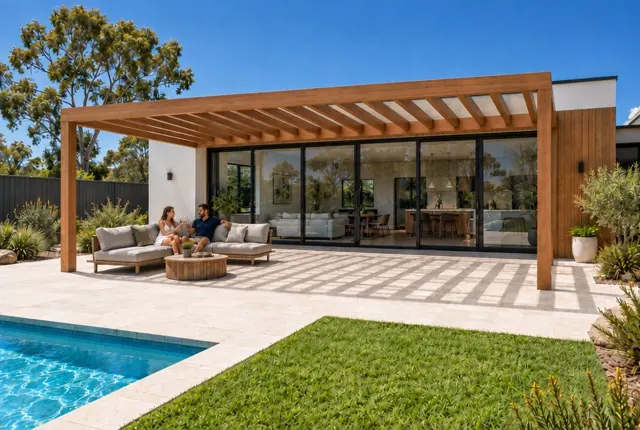
Sources
- Treated timber chart (NSW Environment Protection Authority)
- Durability Guide | WoodSolutions
- Termites and your home (Government of Western Australia)
Prices on this page come from Backyard Mate's pricing for each state and are indicative only. Rules and products change: check with your council and installer before you build.